Typical lifespans by material
| Material | Typical range | What shortens it in Oklahoma |
|---|---|---|
| 3-tab asphalt shingles | Often 15 to 20 years | Wind lift, heat, hail |
| Architectural asphalt shingles | Often 20 to 30 years | Hail bruising, poor ventilation, heat |
| Class 4 impact-resistant shingles | Similar to architectural or longer | Very large hail, poor installation |
| Standing seam metal | Often 40 years or more | Fastener and sealant failure at trim, cosmetic hail dents |
| Exposed-fastener metal panels | Long-lasting panels; fasteners need periodic attention | Washers crack in sun, screws back out |
| Modified bitumen (low slope) | Often 15 to 20 years | Ponding water, heat, foot traffic |
| TPO and EPDM membranes | Varies with thickness and installation | Seam failure, ponding, punctures |
These are general ranges, not guarantees. Manufacturer warranties are a different thing again: a "lifetime" shingle warranty usually has conditions and prorated coverage, and rarely means the roof will actually last a lifetime.
Oklahoma's climate is hard on roofs
Heat
Long, hot summers bake asphalt shingles. Heat dries out the oils in the asphalt, which makes shingles brittle and causes curling and cracking over time. Dark shingles on a poorly ventilated attic suffer most.
Hail
Hail is the single biggest reason roofs in the Tulsa area are replaced early. Even when hail does not crack a shingle, it can knock off granules that protect the asphalt from the sun, so the shingle ages faster afterwards.
Wind
Spring storm lines and tornadoes bring strong winds that lift shingle edges and break seal strips. Once a shingle loses its seal, it is much more likely to blow off in the next storm.
Temperature swings and ice
Quick swings between hot and cold days make materials expand and contract, loosening nails and opening seams. Occasional winter ice storms add weight and bring down limbs.
What makes a roof last longer
- Good attic ventilation. Balanced intake at the soffits and exhaust at the ridge keeps the attic cooler in summer and drier in winter, which slows shingle ageing.
- Correct installation. The right nailing pattern, starter strips, underlayment and flashing make the difference between a roof that reaches its expected life and one that fails early.
- Clear gutters. Overflowing gutters soak fascia and roof edges.
- Trimmed trees. Branches scrape shingles, drop debris and hold moisture against the roof.
- Quick repairs. A small leak fixed this week costs less and does less damage than one found next year.
- Inspections after storms. Catching hail or wind damage early lets you claim it and fix it before it shortens the roof's life.
Signs your roof is nearing the end
- Curling, cupping or cracking shingles across several slopes.
- Bald spots and heavy granule loss in gutters.
- Repeated leaks in different places.
- Sagging between rafters or soft spots underfoot (for the roofer, not you).
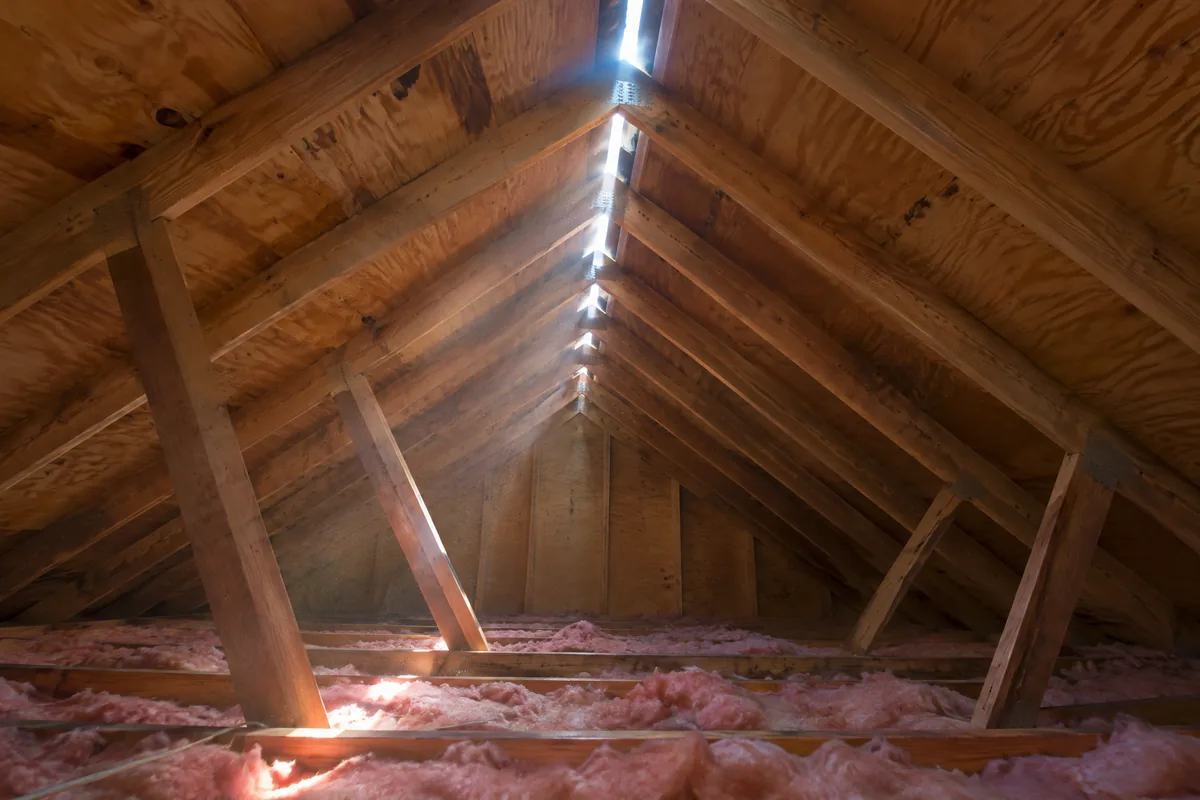
- Daylight through the decking in the attic.
- Neighbors with roofs of the same age replacing theirs.
How to find out how old your roof is
Check home purchase documents, an inspection report from when you bought the house, or any permit record from a previous replacement. If none exist, a roofer can estimate age from the shingle type, wear and installation details.
Roof age and insurance
Insurers increasingly look at roof age when writing and pricing policies. Some apply a separate payment schedule for older roofs, paying less for a roof that is near the end of its life. Ask your agent how your policy handles roof age so there are no surprises after a storm.
Planning a replacement
If your roof is approaching the end of its expected life, plan ahead. Get an inspection, compare quotes for standard and Class 4 shingles, and schedule the work before the busy spring storm season if you can. Read repair or replace your roof if you are unsure which way to go.
A simple maintenance calendar
| When | What to do |
|---|---|
| Late winter | Check for limb damage after ice storms; look for ceiling stains from winter rain. |
| Before spring storms | Clear gutters, trim overhanging branches, photograph the roof from the ground as a baseline. |
| After each severe storm | Look for dents, shingles in the yard and granules at downspouts; book an inspection if you find any. |
| Midsummer | Check the attic on a hot afternoon; very high heat suggests poor ventilation. |
| Late fall | Clear leaves from gutters and valleys once trees have dropped them. |
Does color affect roof life?
Darker shingles absorb more heat than lighter ones, and in a hot Oklahoma summer that extra heat can speed up ageing, especially over a poorly ventilated attic. Lighter colors and so-called cool or reflective shingles can reduce attic temperatures. Color is only one factor, though; ventilation and installation matter more. If you are choosing a color for a replacement, ask the roofer how it affects heat and whether your HOA has rules on color.
What happens to an old roof's warranty when you sell?
Some manufacturer and workmanship warranties can be transferred to a new owner, sometimes only once and sometimes only if registered within a set time after the sale. If you are buying or selling, ask for the warranty paperwork and check the transfer terms. A transferable warranty and recent inspection report can reassure buyers and insurers.
Questions people ask
Do roofs last longer in Oklahoma or in milder states?
Oklahoma's heat, hail and wind generally shorten roof life compared with milder climates, which is why ventilation, installation and post-storm inspections matter.
Does a lifetime shingle warranty mean the roof lasts forever?
No. Lifetime warranties usually have conditions and are often prorated. Actual roof life depends on weather, ventilation and installation.
Can better ventilation extend my roof's life?
Yes. A cooler, drier attic slows the ageing of shingles, especially in Oklahoma summers.
How often should I have my roof inspected?
Every one to two years and after any significant hail or wind storm in your area.